EB‑5 Consular Interview: Why the Most Risk Begins After I‑526E Approval
The Hidden Challenge After Petition Approval
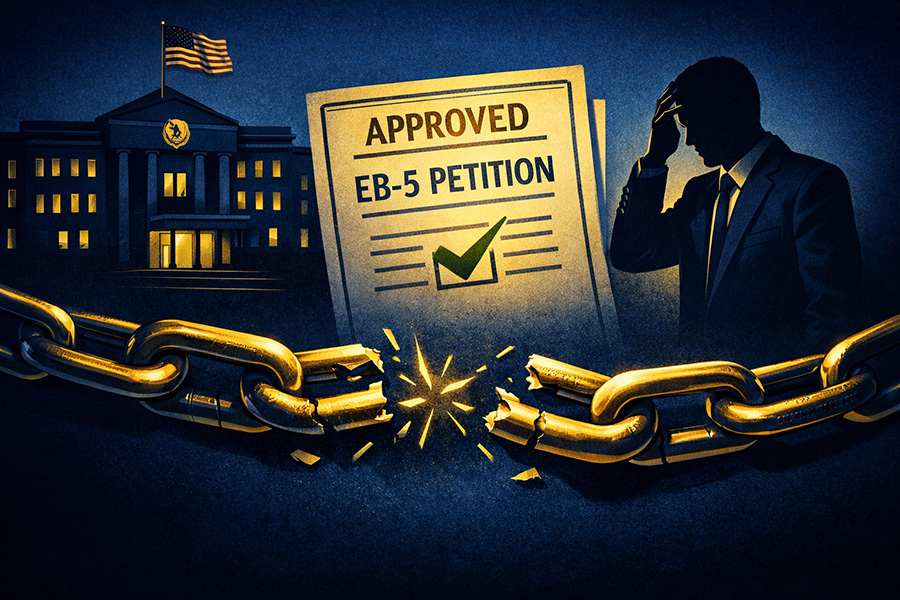
When an EB‑5 investor receives approval of an I‑526E petition, it feels like a finish line. However, as experienced practitioners have noted, that approval is only the halfway mark. For many families, the most unpredictable and failure – prone stage begins with consular processing. Problems ranging from National Visa Center (NVC) document errors to administrative processing and 221(g) refusals can delay or even derail a case. These risks are especially acute for applicants from countries with limited immigrant visa services or heightened security concerns.
Why Approved Cases Die at the Consulate
Based on practitioner experience, several recurring issues emerge:
- NVC document errors: Missing or misfiled civil documents, police clearances or translations can lead to delays. Inconsistent information between the NVC package and the petition triggers additional scrutiny.
- 221(g) administrative holds: Consular officers may request additional evidence under section 221(g), often due to questions about the source of funds, job creation or beneficiary qualifications. These holds can last weeks or months.
- Security checks and high‑risk profiles: Applicants from countries deemed high risk or subject to enhanced security screening face prolonged administrative processing. Even minor discrepancies can prompt extra vetting.
- Local “surprises”: Consulates can impose unexpected requirements, such as notarized affidavits, updated medical exams or in‑person document translations. Limited staff or political instability in certain countries further complicates scheduling and communication.
- Language barriers and misunderstandings: Poor interpretation or cultural miscommunication during the interview can lead to misplaced concerns about the investment or family ties.
Consular Processing vs. Adjustment of Status
Applicants already in the United States may file for Adjustment of Status (AOS) concurrently with I‑526E approval. This pathway generally avoids consular interviews and allows work and travel authorization while the green card is pending. In 2026, AOS will likely remain the safer path for investors living in the U.S. on H‑1B, F‑1 or other visas, especially those from high‑risk countries where consular backlogs and security checks are severe.
However, investors residing abroad – or those who cannot maintain U.S. status – must proceed through consular processing. In these cases, early preparation and careful management of NVC submissions are crucial. Families from high‑risk countries may also consider temporarily relocating to the U.S. on another visa to pursue AOS if feasible.
Who Should Plan for AOS in 2026?
Given anticipated retrogression and heightened consular scrutiny, the following groups may benefit most from AOS:
- Indian and Chinese investors facing backlog risk: Securing a priority date via AOS can help avoid future visa retrogression and lengthy consular queues.
- Families from high‑risk countries: AOS may reduce exposure to lengthy administrative processing or security holds at consulates.
- Students and professionals already in the U.S.: Concurrent filing allows work and travel authorization while waiting for permanent residency and eliminates the need for overseas interviews.
Practical Steps to Reduce Consular Risk
If consular processing is unavoidable, investors can take proactive measures:
- Prepare comprehensive NVC submissions: Double‑check civil documents, translations and evidence of lawful source of funds. Ensure names and dates match across all documents.
- Consult local experts: Engage an attorney familiar with the consulate’s practices and any idiosyncratic requirements. They can advise on local documentation, translations and scheduling.
- Document source of funds in layman’s terms: Consular officers may not be familiar with complex financial structures. Simplify explanations and provide summaries alongside bank statements and tax records.
- Prepare for 221(g) contingencies: Have backup documentation ready and respond quickly to requests for additional evidence.
- Rehearse the interview: Practice answers to common questions about the investment, job creation and family background. Arrange for a qualified interpreter if necessary.
Conclusion
The consular interview is a pivotal, sometimes treacherous, step in the EB‑5 journey. By recognizing potential pitfalls – NVC missteps, administrative holds and security checks – and taking proactive measures, investors can significantly reduce the risk of approved cases collapsing at the final hurdle. Whether opting for Adjustment of Status or preparing for a consular interview, thoughtful planning and careful documentation remain the surest path to success.