
Learning from EB‑5 Project Failures: Warning Signs & Investor Protections – End of 2025
When Projects Go Wrong
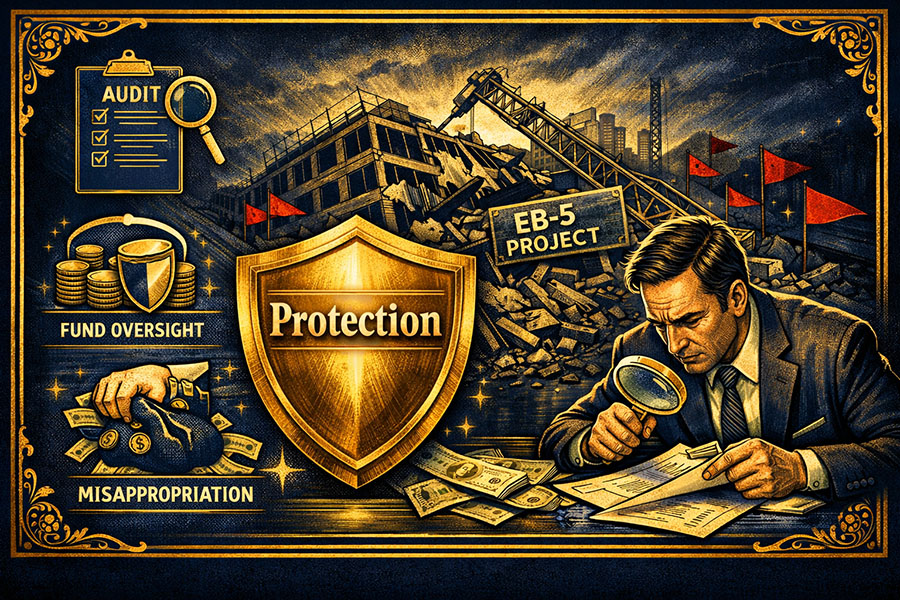
Over the past decade, I have followed the EB‑5 program closely and seen firsthand how not every project lives up to its promises. In one notorious ski resort development, more than $200 million in investor funds were misused by the developers, leaving over eight hundred families scrambling to salvage their immigration hopes. Such cases are rare, but they underscore the importance of understanding why projects fail and how to protect yourself.
Projects can collapse for many reasons. Sometimes there simply isn’t enough capital to launch and sustain the development. In other cases, poor planning, lack of transparency and frequent leadership changes lead to mismanagement. Fraud is another factor—embezzlement, false guarantees and misrepresentations can drain a project’s finances. Finally, a project might fail to generate the required ten jobs per investor, jeopardising immigration outcomes. Knowing these root causes helps you spot trouble before it’s too late.
Red Flags to Watch For
- Guaranteed returns: If a promoter promises a fixed or high return, be cautious. By design, EB‑5 returns are modest; anything else may indicate a Ponzi‑like scheme.
- Pressure to invest quickly: Fraudsters often urge investors to sign immediately, claiming a project will close any day. Legitimate offerings give you time to review documents.
- Limited financial documentation: A lack of clear budgets, audited financials or escrow arrangements is a major warning sign.
- Complex ownership structures: Layers of shell companies can hide self‑dealing and conflicts of interest.
- Resistance to independent verification: If sponsors won’t let you speak with previous investors, visit the site or review job‑creation calculations, take it as a red flag.
I’ve learned to listen to my gut: when something feels too good to be true or information is hard to obtain, I dig deeper or walk away.
What the Reform and Integrity Act Changes
Recognising the need for stronger oversight, lawmakers passed the EB‑5 Reform and Integrity Act in 2022. The law introduces sweeping reforms designed to protect investors and restore trust in the program:
- Project approval and transparency: Regional centers must file a detailed project request with the government before accepting investors, disclosing marketing fees, operations strategies and securities compliance. This allows authorities to review projects up front.
- Site visits and audits: USCIS now conducts in‑person inspections of projects and audits every regional center at least once every five years to ensure operations match what’s promised. Individuals with recent criminal convictions or major fraud judgments are barred from involvement.
- Integrity fund and penalties: Regional centers pay an annual fee into an integrity fund that finances these oversight activities. Non‑compliant centers can be fined up to 10 percent of their raised capital, suspended or terminated, and associated individuals can be debarred.
- Third‑party fund administration: Projects must keep investor capital in separate, insured accounts and hire independent fund administrators to co‑sign disbursements and track every dollar. This reduces the risk of misappropriation and ensures funds flow to job‑creating activities.
- Protection after termination: If a regional center is shut down for mismanagement, innocent investors have 180 days to affiliate with another center or reinvest in a new project and retain their priority dates and dependent children’s status.
- Extended time for job creation: Investors now only need to be actively creating jobs when filing their petition to remove conditions and may receive an extra year to meet the requirement if delays occur.
- Guaranteed processing if the program lapses: All petitions filed by September 30 2026 will continue to be processed even if Congress allows the regional center program to lapse again.
These measures give me more confidence that my capital will be used appropriately and that I have recourse if things go wrong.
Doing Your Own Due Diligence
Regulations can’t replace personal responsibility. Before committing to a project, I always:
- Research the regional center’s track record: Look for a history of approvals and repayments, and avoid centers with past compliance issues.
- Review business plans and financial forecasts: Ask how funds will be deployed, what collateral supports the loan or equity, and whether independent experts have validated job‑creation estimates.
- Understand the use of funds: Ensure that a reputable fund administrator will monitor the flow of capital and that funds are held in escrow until conditions are met.
- Seek feedback from other investors: Speaking with those who have already invested can reveal hidden issues or confirm the project’s reliability.
- Maintain vigilance post‑investment: Follow project updates, audit reports and construction milestones; engage advisors to monitor compliance; and be prepared to act if problems arise.
Litigation is an option when fraud or mismanagement occurs, but it can be costly and doesn’t always salvage immigration benefits. The best strategy is prevention through careful vetting.
Lessons Learned
EB‑5 project failures remind us that not all investment opportunities are created equal. By recognising warning signs, leveraging new protections under the Reform and Integrity Act and conducting thorough due diligence, investors can reduce risk and secure both their capital and their path to permanent residency. My experience has taught me that asking tough questions and choosing transparency over enticing promises is the surest way to succeed in this complex but rewarding program.