
Return on Investment: Beyond the Green Card – End of 2025
Evaluating the Direct Financial Returns
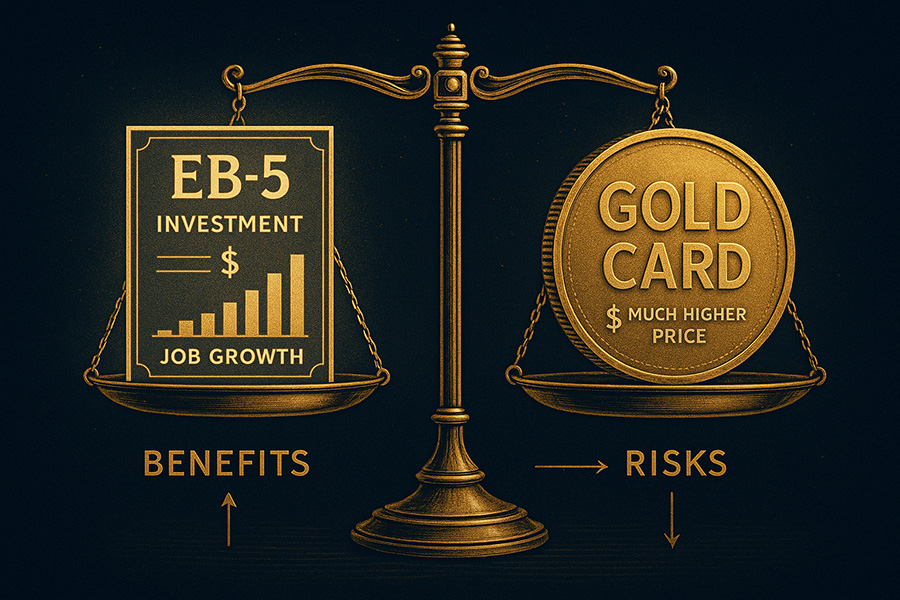
When I first looked into EB‑5 investments, I assumed I would earn healthy profits on top of a green card. The reality is more nuanced. Most EB‑5 projects are structured as loans to developers at interest rates well below market levels, because regional centers must offer attractive financing to secure high‑quality projects. As a result, investors can typically expect annual returns in the 0.25 % to 1 % range. Some loan‑based projects might pay up to 2 %, while equity investments vary widely depending on a project’s profitability. The program’s primary goal is U.S. job creation and immigration, not profit. In fact, experienced advisers often recommend choosing a low‑earning but secure project over a higher‑yielding one with greater immigration risk.
Why Returns Are Modest
Several factors keep EB‑5 returns low:
- Low‑interest lending: Regional centers compete with traditional banks by offering loans at lower rates, which reduces the interest investors earn.
- Risk management: Projects with reliable job creation and high approval rates often limit returns to focus on immigration success.
- Long holding periods: Investments usually remain “at risk” for five to seven years or until the project repays the loan, tying up capital for a lengthy period.
- Regulatory costs: Fees for administration, compliance and third‑party monitoring can further erode returns.
If your goal is pure profit, there are better investment vehicles. But EB‑5 offers something far more valuable to many families than interest income.
Indirect Returns: The Hidden Value of a Green Card
When you broaden your definition of ROI, the picture changes. A green card unlocks opportunities that can far outweigh the modest interest you earn. Here are some indirect benefits to consider:
- Education savings: As a permanent resident, you or your children may qualify for in‑state tuition rates at public universities, saving tens of thousands of dollars over four years.
- Expanded work options: A green card lets you change jobs or pursue promotions without resetting your immigration process. You can work in any field, at any employer, without needing sponsorship.
- Family employment: Spouses and, once of age, children can also work legally, allowing dual‑income households and reducing financial pressure.
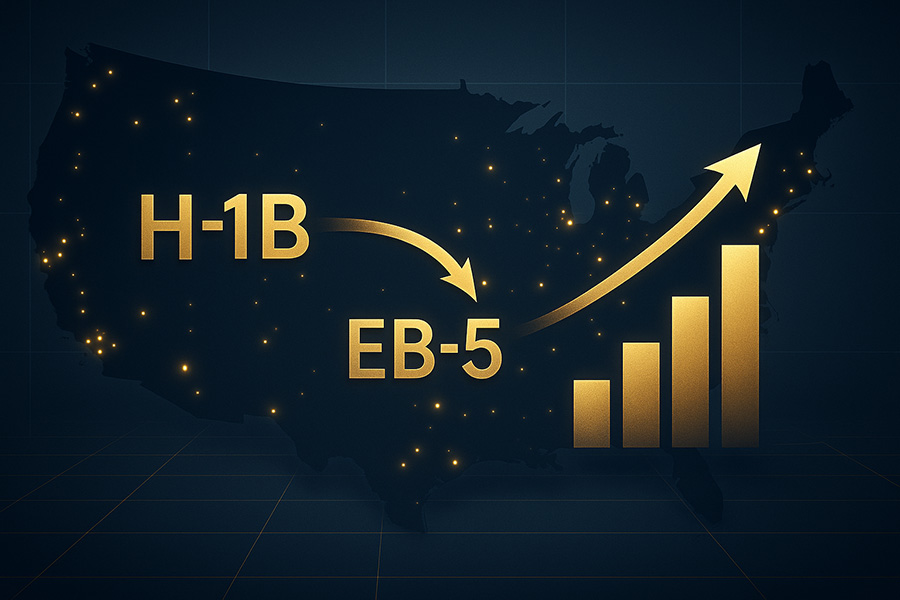
- Job security: Unlike H‑1B holders who must find a new employer within 60 days of a layoff, green‑card holders have the freedom to take career risks and explore new industries.
- Path to citizenship: The green card sets you on a clear path to citizenship, with all the travel and voting rights that entails.
These intangible benefits can add up to substantial financial and personal returns over time. For example, avoiding international student tuition alone can offset the cost of your EB‑5 investment. The ability to pursue higher‑paying positions without fear of losing status can also dramatically increase lifetime earnings.
Maximizing Your Overall ROI
If you decide that EB‑5’s indirect gains outweigh the modest financial returns, it’s still important to choose wisely. Here are some guidelines:
- Prioritize immigration safety: Look for projects with strong job‑creation models, experienced developers and transparent reporting. A safe project that delivers a green card is worth more than a risky project promising higher profits.
- Understand the capital structure: Loan‑based projects usually provide predictable, low yields, while equity projects may offer higher upside with additional risk. Evaluate whether the project has a repayment guarantee or collateral.
- Consider timing: Projects in rural or high‑unemployment areas may qualify for priority processing. Filing your petition before visa caps are reached can reduce wait times.
- Plan for redeployment: Recent policy changes require funds to remain at risk until you receive your permanent green card. Ensure the regional center has a clear strategy for reinvesting your capital after the initial project repays.
Conclusion
EB‑5 investors should view “return on investment” in two dimensions. On the one hand, direct financial returns are intentionally low, averaging around 1 % to 2 % per year. On the other hand, the indirect returns—access to education, career flexibility, work authorization for family members and long‑term stability—can far exceed the dollars earned in interest. By carefully selecting a secure project and understanding the broader value of permanent residency, you can make an informed decision about whether EB‑5 is the right investment for your family.